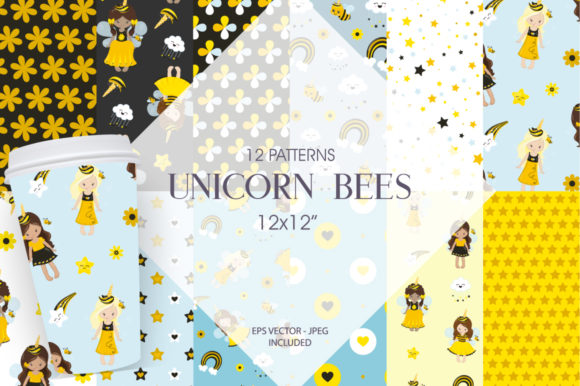
Unicorn Bees: Creative Ideas for Projects and Branding
The concept of Unicorn Bees sits at an unexpected intersection. On one side, you have the mythical, the rare, the magical. On the other, the industrious, the structured, the communal. Combining these two elements creates a visual and conceptual space that feels both whimsical and grounded. For creators, designers, and entrepreneurs, this blend offers a surprisingly flexible foundation for projects, branding, and storytelling.
Unicorn Bees are not a rigid genre or a predefined style. They are a creative prompt. Think of light pastel palettes mixed with hexagonal forms. Imagine iridescent wings paired with striped bodies. Picture a creature that collects something rare and produces something valuable. That open-endedness is what makes the concept useful for a wide range of creative work.
What Unicorn Bees Represent in Creative Work
At its core, the Unicorn Bees idea merges two powerful symbols. Unicorns represent rarity, transformation, and beauty that is not bound by ordinary rules. Bees represent diligence, systems, collaboration, and tangible output. Together, they suggest something that is both visionary and productive.
For a designer, that might mean a brand identity that feels aspirational but also reliable. For a writer, it could be a narrative about a character who dreams big but builds carefully. For an educator, it might be a way to teach children about nature and imagination simultaneously. The duality is the strength. You are not forced to choose between whimsy and practicality. You can have both.
This is particularly valuable for small business owners and freelancers who need to stand out without losing credibility. A brand built around Unicorn Bees can communicate creativity and attention to detail at the same time. It signals that you bring something unusual to the table, but you also deliver results.
Visual Approaches and Design Directions
There is no single visual interpretation of Unicorn Bees. That is part of the appeal. You can adapt the look to fit your audience, medium, and message. Below are several directions worth exploring.
Pastel and Geometric
Combine soft lavender, mint, peach, and pale yellow with clean hexagonal shapes. The hexagon connects directly to honeycomb structures, while the pastel palette keeps the mood light and approachable. This works well for stationery, packaging, and social media graphics. It feels modern without being cold.
Whimsical Detail
Focus on intricate linework, decorative wings, and subtle sparkle effects. This approach leans into the fantasy side. It suits editorial illustration, children's book art, and surface pattern design. The key is to keep the bee anatomy readable while adding unicorn touches like a tiny horn or shimmering wing gradients.
Minimal and Iconic
Reduce the concept to a simple silhouette or a single recognizable feature. A bee with a single spiral horn. A hexagonal icon with small wing shapes. This is ideal for logos, app icons, or any context where clarity matters more than detail. Minimal Unicorn Bees can feel sophisticated and memorable.
Nature-Forward
Emphasize the bee side while adding subtle unicorn elements. Realistic bee anatomy with iridescent coloring, or a natural habitat scene with a single magical detail. This approach appeals to audiences who value authenticity but enjoy a touch of wonder. It works for educational materials, eco-conscious brands, and nature-inspired products.
Practical Applications for Different Audiences
The Unicorn Bees concept is not limited to illustration or branding. It can be adapted across formats and goals. Here is how different professionals might use it.
Marketers and Content Creators
Use Unicorn Bees as a themed content series. For example, a weekly post that explores rare ideas and how to implement them practically. The bee represents the actionable steps, and the unicorn represents the innovative thinking. This gives you a repeatable format that feels cohesive and engaging. You can apply it to email newsletters, Instagram carousels, or short videos. The metaphor is easy for audiences to remember.
Product Designers and Entrepreneurs
If you are developing a product line, Unicorn Bees can inspire packaging, naming, and visual identity. Think of a honey-based skincare brand that uses unicorn imagery to suggest something special. Or a line of children's toys that combine building blocks with fantasy figures. The concept gives you a story to tell, which helps with differentiation in crowded markets.
Educators and Workshop Facilitators
Unicorn Bees can be a theme for creative exercises. Ask participants to design a creature that represents both imagination and hard work. Or use the concept to talk about collaboration and individuality within a group. The duality opens up discussions that feel less abstract and more relatable. For younger audiences, it is a fun drawing prompt. For older students, it can be a metaphor for balancing creativity with discipline.
Hobbyists and Personal Projects
If you create for personal satisfaction rather than professional output, Unicorn Bees can be a low-pressure theme to explore. Try a sketchbook series where you draw one Unicorn Bee variant each day for a week. Experiment with color combinations, textures, and styles. The constraint of the theme helps focus your practice, while the imaginative side keeps it enjoyable.
How to Keep Your Unicorn Bees Work Consistent and Original
When working with a concept that blends two distinct ideas, consistency can be a challenge. Here are practical guidelines to keep your output cohesive without losing originality.
Start by defining the balance. Decide how much of your work will lean toward the unicorn side and how much toward the bee side. A 70–30 split is different from a 50–50 split, and each produces a different feel. Write that decision down and refer to it when you are making design or content choices.
Establish a limited color palette early. Even if you are working on multiple pieces, sticking to three to five core colors will create visual unity. You can vary saturation and brightness, but the base palette keeps the work recognizable. This is especially important for branding or series work.
Create a list of visual and conceptual rules. For example: always include a hexagonal element somewhere in the composition. Or always give the bee at least one unicorn attribute, but never more than three. These small constraints prevent the concept from becoming chaotic and help you make faster decisions.
For original work, avoid copying existing unicorn or bee imagery directly. Instead, ask yourself what each symbol means to you personally. Maybe the unicorn represents a specific goal you are working toward, and the bee represents the daily habits that support it. That personal connection will naturally make your work distinct.
Adapting Unicorn Bees for Different Platforms and Formats
The same concept will look different on a website header, a product label, and an Instagram post. That is fine. The goal is not to replicate the same image everywhere, but to maintain a coherent feel across contexts.
For digital platforms, consider animation. A subtle wing flap or a glowing horn can make the concept feel alive. Short looped animations work well for social media profiles, website hero sections, or email signatures. Keep the motion gentle so it does not distract from the content.
For print, focus on texture and material. Foil stamping on a bee wing, embossed hexagonal patterns, or soft-touch coatings can elevate the design. Print allows for tactile details that digital cannot replicate. Use that to your advantage if you are producing business cards, packaging, or stationery.
For video content, Unicorn Bees can be a recurring visual motif. Use it as a transition element, a watermark, or a symbol that appears at key moments. It does not need to be the main subject of every frame. Small, consistent appearances build recognition over time.
Realistic Examples to Consider
Imagining how Unicorn Bees work in practice can help you decide whether to adopt the concept. Here are a few realistic scenarios.
A freelance designer creates a series of printable planners. The cover features a minimalist Unicorn Bee icon, and the inside pages use hexagonal grids and pastel accent colors. The product sells to people who want organization with a touch of personality. The concept is not overwhelming, but it is noticeable.
A blogger writes about creative productivity. They use the Unicorn Bees metaphor in their articles and social media. Each post pairs a "unicorn idea" with a "bee action" that readers can take. The format becomes a signature style, and readers start looking forward to the structure.
A small candle business launches a limited edition scent called Unicorn Honey. The label features a line drawing of a bee with a small horn, and the packaging uses hexagonal shapes. The product is positioned as something rare and handcrafted. It sells well because the visual matches the brand promise.
Making the Concept Work for You
Unicorn Bees are not a trend you need to follow. They are a tool you can adapt. The value comes from the tension between two opposites. Rarity and repetition. Magic and work. Vision and execution. If that tension resonates with your goals, the concept will feel natural rather than forced.
Start small. Pick one project and apply the idea in a limited way. See how it feels. If it sparks something, expand from there. If it does not, adjust the balance or move on. Creative concepts are meant to serve your work, not the other way around.
The best approach is the one that helps you communicate clearly, connect with your audience, and enjoy the process. Unicorn Bees can support that if you let them be both imaginative and practical at the same time.