World War Two Soldier Talking Radio: A Vintage Icon for Modern Design
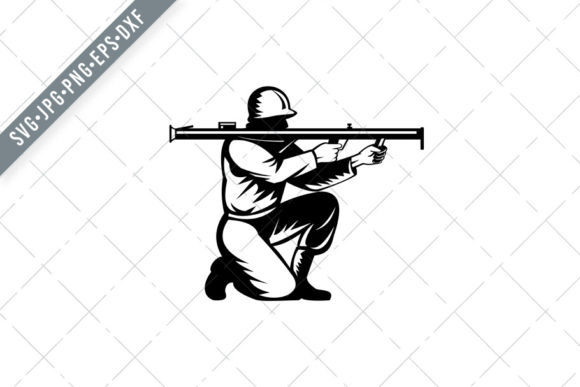
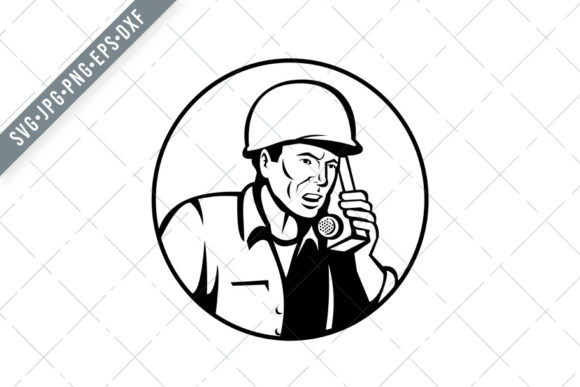
There is something timeless about the image of a World War Two soldier talking on a radio. The poised stance, the hand-held walkie-talkie, the sense of urgent communication across a battlefield—this black-and-white illustration captures a moment of history that still resonates today. Whether you are a graphic designer, a hobbyist crafter, or a history enthusiast, the World War Two Soldier Talking Radio graphic offers a powerful visual anchor for countless creative projects. This article explores the purpose, features, and practical value of this retro-style illustration, and shows you how to make the most of the versatile file formats included in the set.
The Story Behind the Image
During World War Two, reliable communication was critical for coordination, survival, and strategy. Soldiers relied on backpack radios and handheld walkie-talkies to relay orders, call for support, and report enemy movements. The World War Two Soldier Talking Radio illustration evokes that era of analog communication—when a crackling voice over the airwaves could change the course of a battle. The graphic places the soldier inside a clean circle, framed against an isolated white background, giving it a crisp, emblematic quality that works beautifully in both digital and print applications.
The retro style is intentional. It draws on mid-century design sensibilities—bold lines, high contrast, and a sense of action frozen in time. This is not a photorealistic rendering, but an artistic interpretation that feels both nostalgic and accessible. It is this blend of historical authenticity and graphic clarity that makes the image so adaptable for modern use.
What Makes This Graphic Set Valuable
For creators and business owners, having a single illustration in multiple file formats is a major time-saver. The World War Two Soldier Talking Radio set includes SVG, PNG, DXF, EPS, and JPG files, each optimized for different workflows. Here is a breakdown of what you get and how each format can be used:
- SVG (Scalable Vector Graphics) – Ideal for use with Silhouette Studio, Cricut Design Space, and other cutting machine software. SVG files scale infinitely without losing quality, making them perfect for resizing for banners, cards, or large-format prints.
- PNG (300 dpi, 10 inches or larger) – A high-resolution raster file with a transparent background. Great for digital scrapbooking, party invitations, and web use where you need a crisp image with no white box around it.
- DXF – A CAD-compatible format that many laser cutters and engraving machines accept. If you are planning to etch the soldier design onto wood, acrylic, or metal, the DXF file ensures precise vector paths.
- EPS – A versatile vector format that opens in Adobe Illustrator, CorelDRAW, and most professional design software. Use it for creating merchandise mockups, apparel graphics, or print-ready artwork.
- JPG – A standard raster image that works everywhere. Use it for quick previews, social media posts, or low-complexity projects where you do not need transparency.
Having all five formats in one download means you never have to convert files or worry about compatibility. Whether you are designing a T-shirt, a mug, a stencil, or a wall art piece, the right file is ready to go.
Real-World Applications and Scenarios
The World War Two Soldier Talking Radio graphic is far more than a historical clipart. Its clean, emblematic design opens up a wide range of practical uses. Below are some of the most common scenarios where this illustration shines:
Apparel and Merchandise
T-shirt designers and print-on-demand sellers will appreciate the bold silhouette and clear subject matter. The soldier talking on a radio makes a strong statement on the front or back of a tee, especially when paired with distressed typography or military-inspired fonts. Mugs, tote bags, and hats are also natural candidates—the circular crop works well as a central badge or chest logo.
Home Decor and Wall Art
Framed prints, canvas wraps, and metal signs with a vintage military theme are popular among history buffs and collectors. The black-and-white palette of this illustration fits easily into a gallery wall, a man cave, or a home office. Because the file is vector-based, you can scale it up to poster size without any pixelation.
Paper Crafts and Stationery
Scrapbookers and card makers can use the PNG file with a transparent background to layer the soldier over patterned papers, map backgrounds, or military-themed embellishments. Birthday invitations for a WWII enthusiast, thank-you cards for a veteran, or commemorative scrapbook pages all benefit from this iconic imagery.
Stencils and Laser Projects
The DXF and SVG formats are ideal for cutting stencils out of cardstock, acetate, or adhesive vinyl. Once cut, you can spray paint, screen print, or airbrush the design onto wood, fabric, or walls. Laser engravers can use the DXF file to etch the soldier onto leather journals, wooden plaques, or acrylic keychains with impressive detail.
Digital Design and Branding
For social media graphics, blog headers, or YouTube thumbnails, the World War Two Soldier Talking Radio image provides instant thematic context. It works especially well for content related to military history, vintage communication, or World War Two documentaries. The SVG and EPS files allow you to change colors, add effects, or combine the soldier with other vector elements.
Strengths and Considerations
Every graphic asset has its strengths, and this one is no exception. Let us examine what works well and what you should keep in mind when planning your project.
Strengths
- Versatile file formats – Having SVG, PNG, DXF, EPS, and JPG means you are covered for virtually any design software or machine.
- High resolution – The PNG file is 300 dpi and at least 10 inches on the longest side, ensuring professional print quality.
- Clean, isolated design – The white background and circular crop make the image easy to place into any layout without awkward edges.
- Retro appeal – The hand-drawn, black-and-white style feels authentic and avoids looking like a generic stock photo.
- Scalability – Vector formats (SVG, EPS, DXF) can be resized from a small sticker to a large banner with no loss of detail.
Considerations and Limitations
- Single subject – The illustration focuses on one soldier with a radio. If your project requires multiple figures, backgrounds, or complex scenes, you will need to combine this graphic with other elements.
- Black-and-white only – The design is monochrome. While this is ideal for stencils and screen printing, you will need to add color yourself if you want a full-color composition.
- Retro style may not suit every brand – The vintage aesthetic is a perfect fit for historical, military, or nostalgic projects, but may feel out of place in modern, minimalist corporate design.
How to Evaluate Suitability for Your Project
Not every graphic is right for every purpose. To decide whether the World War Two Soldier Talking Radio illustration fits your needs, ask yourself these questions:
- What is the tone of my project? If you are creating something respectful, educational, or historically themed, this image works well. If the tone is humorous or abstract, a different graphic may be more appropriate.
- What format do I need? For cutting machines, SVG or DXF are essential. For print-on-demand, PNG or EPS are often preferred. Check your production pipeline before you start.
- Will I need to modify the design? If you plan to recolor, rotate, or combine the soldier with other elements, vector formats (SVG or EPS) give you the most flexibility. Raster formats like JPG are harder to edit cleanly.
- What size will the final product be? For large prints, vector files are the safest choice. For small items like stickers or coins, the high-resolution PNG is more than sufficient.
- Who is the audience? History reenactors, military collectors, veterans, and World War Two enthusiasts are the most obvious audience. But the image also appeals to fans of vintage design, steampunk aesthetics, and retro communication themes.
Practical Tips for Getting the Most Out of the Set
Once you have downloaded the World War Two Soldier Talking Radio files, a few best practices will help you achieve professional results:
- Always open vector files in a compatible program – SVG and EPS work best in Adobe Illustrator, Inkscape, CorelDRAW, or Affinity Designer. If you try to open them in a basic image viewer, they may not render correctly.
- Use the PNG for quick mockups – Before committing to a full production run, drop the transparent PNG into a mockup template (like a T-shirt or mug mockup) to preview the design.
- Check your cutting machine settings – For Cricut or Silhouette, import the SVG file and verify that the cut lines are clean. Some machines may require you to weld or compound paths if the design has multiple layers.
- Experiment with color – Even though the original is black and white, you can add a patriotic palette (red, white, blue) or a vintage sepia tone to match your project theme.
- Combine with typography – Adding phrases like “World War II Communications,” “Calling All Units,” or “For Duty and Country” can transform the illustration into a complete graphic statement.
Who Benefits Most from This Graphic
While the World War Two Soldier Talking Radio set is versatile, certain user groups will find it especially valuable:
- Etsy sellers and print-on-demand entrepreneurs – The multiple file formats make it easy to list products on different platforms without reworking the design.
- Scrapbooking enthusiasts – The transparent PNG layers beautifully onto patterned papers and thematic backgrounds.
- Cricut and Silhouette users – The SVG and DXF files are ready to cut for vinyl decals, iron-on transfers, and stencils.
- History educators and museum curators – The image can be used for educational materials, exhibit signage, or souvenir merchandise.
- Graphic designers working on military or vintage projects – Having a high-quality vector illustration saves hours of manual drawing or sourcing.
Final Thoughts
The World War Two Soldier Talking Radio illustration is more than a nostalgic image—it is a practical, multi-format asset for a wide range of creative and commercial applications. Its clean design, retro appeal, and compatibility with cutting machines, print workflows, and digital platforms make it a smart choice for anyone looking to incorporate a piece of military history into their work. Whether you are designing a T-shirt, a greeting card, a wall art piece, or a party invitation, this set gives you the files you need to bring your vision to life with minimal friction and maximum quality.
Take the time to explore the SVG, PNG, DXF, EPS, and JPG files in your own software environment, and you will quickly see why this style of illustration has remained popular for decades. The soldier, the radio, the circle, the contrast—every element is purposeful. And now, it is ready for your next project.