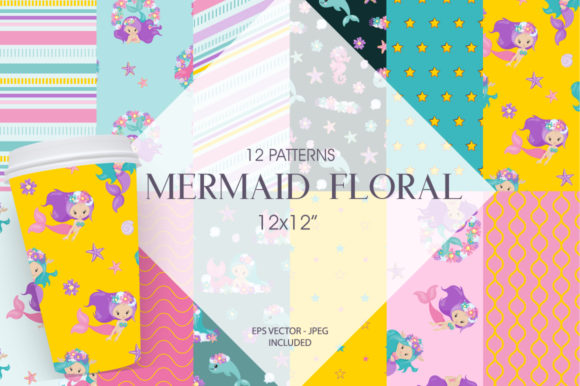
Mermaid Floral: A Guide to This Enchanting Design Style
If you have been exploring event themes, wedding decor, or even home styling, you may have come across the term Mermaid Floral. At first glance, it might seem like a niche fusion of oceanic whimsy and garden romance. In practice, it is a design approach that blends the iridescent, flowing qualities of mermaid inspiration with the organic texture of flowers and greenery. Whether you are planning a celebration, refreshing a living space, or researching creative arrangements, understanding what makes Mermaid Floral distinct can help you decide if it fits your vision.
What Defines Mermaid Floral
Mermaid Floral is not a single formula but a palette and mood. It typically draws from underwater color schemes—deep teals, seafoam greens, sapphire blues, and soft coral pinks—combined with sculptural or flowing floral forms. The "mermaid" aspect often appears through accents like pearlescent shells, scale-like textures in ribbons or vases, and the use of airy, cascading blooms that mimic seaweed or ocean currents. Unlike a classic garden arrangement that relies on earthy tones and structured bouquets, Mermaid Floral leans into fluidity and shimmer.
What sets it apart is the intentional contrast between natural elements (flowers, leaves, branches) and the more fantastical, metallic, or translucent elements that evoke the sea. For instance, a centerpiece might combine dusty miller (silvery foliage) with pale blue hydrangeas, accented by iridescent glass beads and driftwood. The result feels both organic and otherworldly. This duality is what draws people who want something familiar yet unexpected.
How Mermaid Floral Compares to Other Floral Styles
To evaluate whether Mermaid Floral suits your needs, it helps to place it alongside similar floral categories. Below are three common design directions and how Mermaid Floral differs from each.
- Traditional Romantic Floral – Usually emphasizes roses, peonies, soft pastels, and symmetrical round shapes. Mermaid Floral, by contrast, favors asymmetry, cooler tones, and a looser, more organic flow. If you want classic elegance, traditional romantic may be safer; if you crave a modern twist, Mermaid Floral offers that.
- Beach or Nautical Themed Floral – Often uses seashells, starfish, and bright tropical flowers like hibiscus. Mermaid Floral is more subdued and ethereal—think muted blues and silvers rather than bold primary colors. It works better for evening events or indoor spaces where you want a subtle nod to the ocean without feeling like a beach party.
- Bohemian or Wildflower Arrangements – Focus on unstructured, meadow-inspired clusters. Mermaid Floral shares the loose feel but adds a layer of deliberate fantasy through luminous accents. Bohemian is more grounded in nature; Mermaid Floral invites a touch of magic.
Each style has its own appeal. The strength of Mermaid Floral lies in its ability to bridge the natural and the imaginative, making it suitable for events where storytelling matters, such as a wedding with a "tides of love" narrative or a brand launch that wants to evoke transformation.
Strengths and Tradeoffs of Choosing Mermaid Floral
Every design choice comes with tradeoffs. Being aware of them helps you avoid surprises.
Strengths Mermaid Floral stands out for its versatility within a specific mood. Because it uses a wider range of textures (glossy, matte, rough, smooth), photographs beautifully with depth. The color palette is naturally calming and can make a room feel larger or more serene. Also, because it is less conventional, guests or viewers often remember it. For a wedding, it can create a cohesive theme across bouquets, centerpieces, archways, and even cake decorations without feeling forced.
Tradeoffs The same uniqueness can be a limitation if your venue or personal taste leans more toward timeless minimalism or bright, vibrant hues. Sourcing certain flowers in the right shades (like blue delphiniums, silver brunia, or green hydrangeas) may be seasonal or expensive in some regions. Additionally, the "mermaid" accent pieces—iridescent vases, pearl sprays, or holographic ribbons—can look cheap if not chosen carefully. Cheap plastic shells or glitter-heavy details might undercut the elegance you are aiming for. Another consideration: not all florists are comfortable blending these elements. You may need a specialist or be willing to DIY certain components.
Another tradeoff is the balance between floral and non-floral. If you pack in too many shells or artificial baubles, the arrangement can lose its natural freshness. The best Mermaid Floral designs treat floral as the star and mermaid accents as supporting notes.
When Mermaid Floral Is the Right Fit
From a practical standpoint, Mermaid Floral works particularly well in these scenarios:
- Evening or indoor events – The iridescent and blue elements catch low light beautifully, creating a dreamy atmosphere.
- Summer or coastal locations – Even if not at the shore, the palette resonates with warm weather and relaxed vibes.
- Creative or artistic audiences – For gallery openings, book launches, or themed parties where you want to spark conversation.
- Brides who want something different – Many brides feel pressure to choose blush or white; Mermaid Floral offers an alternative that still feels romantic.
- Home decor in spaces with neutral backdrops – A living room with white walls and wood floors can be easily enlivened by a Mermaid Floral centerpiece without overwhelming the space.
One realistic example: A couple planning a "renewal of vows" ceremony by a lake used Mermaid Floral as their theme. They combined eucalyptus, lavender, and small white orchids with teal velvet ribbons and drifted wood stands. The non-floral elements were minimal—just a few iridescent baubles in the greenery. Guests commented on how the decor felt personal and connected to the water setting without being kitschy.
When to Consider Alternative Approaches
Even with its charms, Mermaid Floral is not the best choice for every situation. Here are signs you might want to explore other floral styles:
- Very formal, black-tie events – These typically call for classic red, white, or gold florals. Mermaid Floral may read as too whimsical for a traditional ballroom gala.
- Budget constraints – Specialty flowers and accent items can add up. If you are on a tight budget, a simpler palette (e.g., all white with greenery) often costs less and offers more flexibility.
- Strong personal preference for warm tones – If you love oranges, yellows, and burgundies, the coolness of Mermaid Floral might feel mismatched. You could adapt it by adding coral and gold accents, but you risk losing the core vibe.
- Venues with existing loud patterns – A room with busy wallpaper or colorful floor tiles might clash with the delicate, layered look of Mermaid Floral. In such spaces, simpler floral arrangements often work better.
Another limitation: if you are trying to create a minimalist or industrial aesthetic (e.g., concrete walls, metal furniture), Mermaid Floral’s softness and shimmer can feel out of place. Industrial spaces often pair better with single-stem or sculptural arrangements.
Decision Factors for Your Project
When deciding whether to invest time and resources into Mermaid Floral, consider the following factors:
- Color coordination – Will the blues and greens harmonize with your venue or existing decor? Test with fabric swatches or digital mockups.
- Floral availability – Check with local growers or wholesalers about the flowers you have in mind. Be ready to substitute if certain blooms are out of season.
- Skill level – If you are arranging yourself, start with a small project like a tablescape before committing to a large wedding arch. Mermaid Floral requires careful placement of accents to avoid clutter.
- Longevity – For events, know that some delicate flowers (e.g., lisianthus, blue hydrangea) wilt faster than hardy ones (e.g., succulents, eucalyptus). Plan for the timing of your event.
- Personal significance – What does the mermaid motif mean to you? If it connects to a memory or emotion, that authenticity will show in your design. If it is just a trend, you may tire of it faster.
One final practical note: because Mermaid Floral sits at the intersection of natural and fantasy, it rewards intentionality. A few well-chosen pieces—like a bouquet with trailing amaranthus, silver dollar eucalyptus, and a single mother-of-pearl shell—often have more impact than a chaotic mix. The best outcomes come from editing, not accumulating.
Whether you ultimately choose Mermaid Floral or a different direction, the process of comparing its features, tradeoffs, and fit will sharpen your overall vision. Use what resonates, leave what does not, and let the flowers guide you.