Demolition Worker Sledge Hammer Illustration Set: A Practical Guide for Designers and Crafters
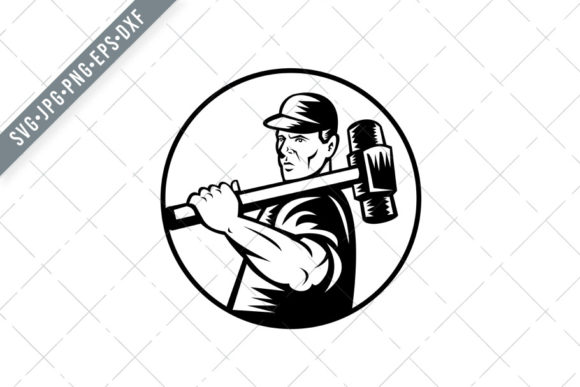
When you need a bold, evocative image that communicates strength, labor, and purpose, few symbols are as immediately recognizable as a demolition worker with a sledge hammer. The Demolition Worker Sledge Hammer illustration set offers a retro black and white style depiction of this classic figure, framed within a clean circular format on an isolated white background. Whether you are designing a T-shirt, crafting a greeting card, or building a brand identity, understanding what this asset provides and how it fits your workflow is essential. This guide evaluates the set's features, benefits, tradeoffs, and the situations where it shines—or where an alternative might serve you better.
What Is the Demolition Worker Sledge Hammer Illustration Set?
At its core, this set is a collection of digital files featuring a single illustration style: a demolition worker viewed from the side, sledge hammer resting on shoulder, rendered in a retro black and white aesthetic. The design is enclosed within a circle, making it a ready-to-use element for badges, logos, stickers, and pattern tiles. The set includes five file types—SVG, PNG, DXF, EPS, and JPG—each optimized for different software and hardware environments. The PNG file is delivered at 300 dpi and a minimum size of 10 inches, ensuring print-quality resolution for most home and small-business projects.
This is not a collection of multiple poses or color variations. It is a single, focused design delivered in multiple formats. That simplicity is both its strength and a key consideration for anyone evaluating it against more comprehensive clip art bundles or customizable templates.
Why This Style Appeals to Designers and Hobbyists
The retro black and white illustration style evokes a sense of craftsmanship and history. It carries the visual weight of vintage signage, old-school advertising, and industrial iconography. For someone looking to create a piece that feels timeless, gritty, or authentic—without relying on modern, high-gloss graphics—this style offers a deliberate, grounded aesthetic. The side profile view of the worker with the sledge hammer emphasizes action and readiness, making it suitable for themes around construction, renovation, strength, and blue-collar work.
Because it is monochrome and vector-based, the design integrates easily into both light and dark color schemes. You can recolor the black to any hue in vector editing software, or leave it as is for a stark, high-contrast look. This flexibility is particularly valuable for pattern design, where seamless repeats benefit from consistent line weights and clean silhouettes.
File Formats and What They Mean for Your Workflow
The decision to purchase a design asset often hinges on file compatibility. This set covers the most common formats across both raster and vector workflows:
- SVG (Scalable Vector Graphics): Ideal for cutting machines like Silhouette Cameo and Cricut. SVGs retain crisp edges at any size, making them perfect for vinyl decals, stencils, and iron-on transfers. If your primary goal is to cut the design from adhesive vinyl or heat transfer material, this format is indispensable.
- PNG (Portable Network Graphics): A high-resolution raster file with transparency. Use this for digital mockups, website graphics, or printing on demand. The 300 dpi resolution and 10-inch minimum size ensure sharp results on mugs, T-shirts, and posters.
- DXF (Drawing Exchange Format): Commonly used in CAD and some cutting software. If you work with laser cutters, engravers, or older design programs, DXF provides broad compatibility.
- EPS (Encapsulated PostScript): A legacy vector format that opens in many professional illustration and layout applications. Useful for designers who need to import into software like Adobe Illustrator or CorelDraw without conversion issues.
- JPG (Joint Photographic Experts Group): A compressed raster format without transparency. Good for quick previews or for use in documents where file size matters more than background removal.
Having all these formats means you can move from design concept to finished product without re-creating or tracing the artwork. It reduces friction for users who own multiple machines or who sell designs across different platforms.
Scope of the Collection
This set contains one illustration. If your project requires a diverse array of poses, tools, or characters, you may need to supplement it with other assets. For a single badge, logo, or focal graphic, one well-executed design is often enough. But for a large pattern library or a multi-character scene, you will likely need additional elements.
Color Limitations
The black and white style is deliberate, but if you need full-color or multi-toned illustrations, this set will require manual coloring in vector software. The lines are clean and well-defined, which makes recoloring straightforward, but it is an extra step. Users who prefer ready-to-use color graphics may find themselves spending more time than anticipated.
Retro vs. Modern Preferences
The vintage look is a distinct choice. It pairs well with industrial, rustic, or nostalgic themes. However, if your brand or project demands a sleek, modern, or minimalist appearance, a contemporary line-art or flat-vector style might align better. Consider your audience and the emotional tone you want to convey. The sledge hammer image carries inherent connotations of demolition and force, which may not suit every context.
Where This Set Excels
The Demolition Worker Sledge Hammer illustration shines in specific, practical scenarios:
- Apparel Decoration: Single-color T-shirt designs, especially for workwear brands, construction companies, or gym apparel with a rugged theme. The SV format cuts smoothly for heat transfer vinyl.
- Signage and Decals: The circular frame makes it a natural fit for window decals, vehicle magnets, or shop signage. The bold silhouette reads well from a distance.
- Pattern Tiles: Because the design fits within a circle, it can be repeated in a grid or offset pattern to create wallpapers, wrapping paper, or fabric prints with a uniform, rhythmic look.
- Party Invitations and Cards: For birthdays, retirement parties, or events with a construction theme, this graphic provides an instant visual hook. The black and white style prints economically on most home printers.
- Scrapbooking and Stickers: The clean outline is easy to cut by hand or with a die-cutting machine. It layers well with other elements in a collage.
When Alternatives Are Worth Exploring
No single asset is right for every project. You may want to consider alternatives to this set if:
- You need multiple poses or tools. A diverse construction or worker theme might require images of jackhammers, hard hats, tool belts, or action scenes. Look for a larger illustration pack or icon set if your project demands variety.
- You require full-color or realistic rendering. If your design relies on photographic realism or a specific color palette, a vector illustration in black and white may not serve as a standalone asset without significant reworking.
- Your software or machine supports only one format. While the set includes five formats, some users may only need one. If the price point is a concern, a single-format purchase from another source might be more economical.
- You need a scalable vector but with more detail. The retro style uses clean, simplified lines. For applications requiring high detail—such as large-format posters or detailed engravings—an illustration with finer line work might be preferable.
Practical Decision-Making Insights
To determine whether this set aligns with your goals, ask yourself three questions:
- What is the primary output? If you are cutting vinyl or printing one-color designs, this asset is nearly turnkey. If you need complex multi-color printing or digital-only use, consider how much additional editing you are willing to do.
- How important is consistency? Using a single, cohesive illustration across multiple products—such as a T-shirt, a mug, and a greeting card—creates brand recognition. This set gives you one strong image that can unify a small product line. For a broader range, you may need to build a family of matching graphics.
- What is your skill level with design software? Experienced vector artists will appreciate the clean SVG and EPS files as a base for customization. Beginners may prefer a set with pre-colored or layered files. The included JPG and PNG provide a fallback for quick use, but editing vectors requires at least basic knowledge of a program like Inkscape, Illustrator, or Affinity Designer.
By evaluating these factors honestly, you can decide whether this single, purpose-built illustration offers the efficiency, style, and file support you need—or whether a larger collection or a different artistic direction would serve your project better.
Final Thoughts on the Demolition Worker Sledge Hammer Set
The Demolition Worker Sledge Hammer illustration set delivers exactly what it promises: a single, strong, retro-style graphic in multiple industry-standard formats. Its strengths lie in its simplicity, its compatibility with cutting and printing workflows, and its evocative visual character. For anyone creating merchandise, decor, or branding materials built around themes of labor, construction, or strength, this asset offers a reliable and flexible starting point. At the same time, its narrow scope and black-and-white-only presentation are real constraints that will matter depending on the breadth of your project. By weighing the file formats against your tools, the style against your brand voice, and the singular design against your need for variety, you can make an informed choice that saves time and produces results that resonate with your audience.