Northern Goshawk: Retro Woodcut Art for Design
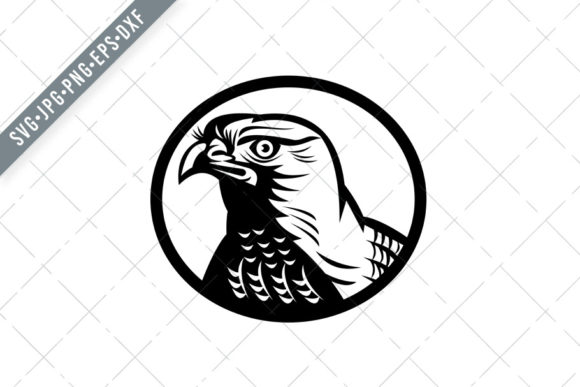
The head of a northern goshawk, rendered in a retro woodcut style, is far more than a nostalgic nod to old printing presses—it’s a statement piece that bridges natural history and modern graphic design. For designers seeking visual assets with raw texture, bold contrast, and timeless appeal, this circular black-and-white illustration offers an anchor for projects ranging from brand identity to packaging. The combination of the goshawk’s intense gaze and the hand-carved aesthetic of woodcut creates a visual hierarchy that commands attention without relying on color.
Why the woodcut style resonates in contemporary design
In an era where digital tools can polish every edge, the deliberate imperfections of woodcut illustration bring authenticity back to visual communication. The head of a northern goshawk, captured through this technique, carries a sense of heritage and craftsmanship that connects with audiences on a visceral level. The high-contrast black-and-white treatment works across media, from screen printing to embroidery, and maintains legibility at any scale. For graphic designers working on branding, this asset can anchor a logo or serve as a repeated pattern element that reinforces a rugged, nature-inspired identity.
Practical applications across creative projects
This vector illustration is built for versatility. The included SVG, PNG, DXF, EPS, and JPG formats ensure compatibility with every major design workflow. Here are some ways to put it to use:
- Branding and logo design — Use the goshawk silhouette as a central emblem for outdoor, wildlife, or heritage brands. The circular composition works naturally as a badge or crest.
- Print design and packaging — Apply the woodcut texture to labels, hang tags, or boxes for a premium, handmade feel. The black-and-white palette reduces printing costs while increasing visual impact.
- Social media graphics — Scale the illustration for profile avatars, cover images, or quote cards. The strong silhouette remains readable even at small sizes on mobile screens.
- Merchandise and apparel — The SVG file is ready for Silhouette Cameo and Cricut machines, letting you create T‑shirts, mugs, and stencils with clean cut lines.
- Editorial and web design — Drop the woodcut into a hero section or use it as a repeating background pattern to add depth without distracting from content.
Design considerations for maximum impact
When integrating the head of a northern goshawk into a layout, think about contrast and negative space. The woodcut style already delivers strong visual weight, so pair it with clean, modern typography to avoid overcrowding. For brand identity, use the illustration as a primary mark on business cards or letterhead, then pull secondary elements—like feather textures or circular framing—into the rest of the brand system. The 300dpi PNG and EPS files give you print-ready resolution for projects up to 10 inches or larger, so you can maintain crisp detail on posters or banners.
Consistency matters. If your brand relies on a nature-forward aesthetic, this asset can unify everything from website UI to packaging design. The isolated background makes it simple to overlay onto colored surfaces or integrate into complex compositions without clipping or mask work.
What comes in the asset set
The downloadable zip includes everything needed for a smooth design workflow:
- SVG vector file for Silhouette Studio Cameo, Cricut, and other cutting machines
- PNG file at 300dpi, 10 inches or larger at the longest side
- DXF file for CAD-compatible applications
- EPS file for professional layout software
- JPG file for quick previews and low-res mockups
With this range of formats, you can move from digital mockup to physical product without reworking the art. Whether you’re designing for UI, UX, editorial, or print, the file set saves time and reduces friction in your creative process.
Selecting the right asset for your design goals
Not every project needs a full-color photograph. The head of a northern goshawk in woodcut style excels where you want strong silhouette recognition, tactile texture, and a sense of permanence. For branding, it signals heritage and precision. For packaging, it suggests natural ingredients or artisan methods. For merchandise, it creates an immediate visual hook that stands out on a shelf or in a feed. Evaluate your audience and the emotional tone you want to strike—this illustration pairs well with earthy palettes, serif typefaces, and minimal layouts that let the art breathe.
Quality creative assets do more than decorate. They improve user engagement by establishing visual hierarchy and reinforcing brand recall. By choosing a thoughtfully rendered, scalable illustration like this one, you’re investing in a design element that works across every touchpoint—from a business card to a billboard.