Seamless of Dashed Stripe Rhombus Pattern: The Monochrome Geometry Reshaping Visual Identity
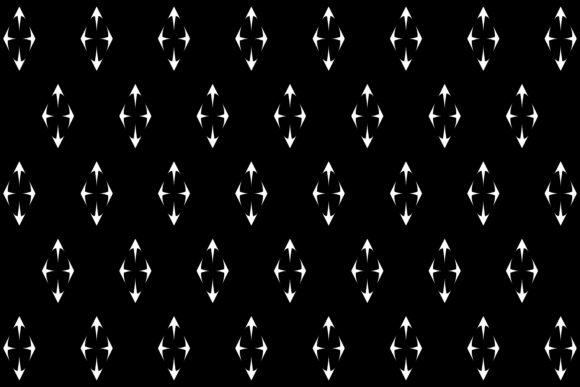
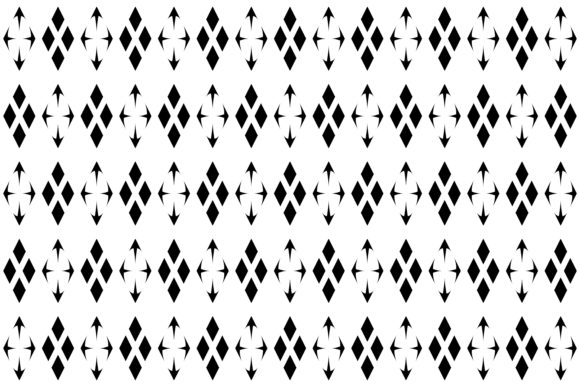
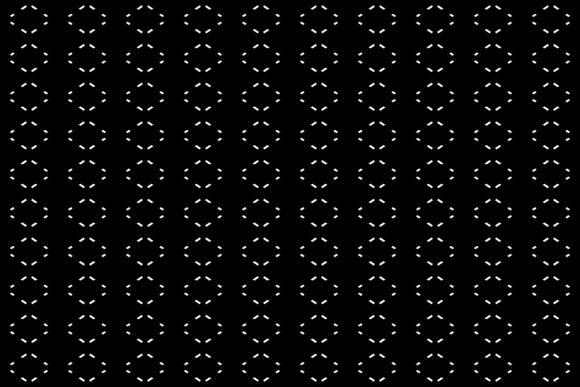
In a design landscape increasingly drawn to bold simplicity and structured repetition, the seamless of dashed stripe rhombus pattern has emerged as a quiet yet powerful visual language. At first glance, it appears straightforward — a grid of diamond-like shapes defined by broken, rhythmic lines. But spend a moment with it, and you begin to sense its deeper appeal. This pattern, typically rendered as white modular tile shapes on a black background, is not merely decorative. It is a statement of order, contrast, and restrained creativity. For professionals working across branding, textiles, digital media, and interior design, this monochrome concept offers something rare: the ability to be both backdrop and hero, depending on context.
Understanding why this pattern resonates so strongly today requires looking beyond aesthetics. We are surrounded by visual noise — notifications, layered interfaces, competing colors, and constant motion. In that environment, a black-and-white geometric pattern feels like a pause. It does not shout. It structures. The dashed lines introduce a human hand, a sense of imperfection within precision, which makes the design feel approachable rather than clinical. That tension between order and warmth is precisely what makes the seamless of dashed stripe rhombus pattern so relevant for modern creators and businesses alike.
Why This Pattern Belongs in Your Creative Toolkit
The relevance of the seamless of dashed stripe rhombus pattern cannot be reduced to trend cycles. It sits at the intersection of several enduring cultural and aesthetic movements. Minimalism, of course, is one thread. But there is also the resurgence of op art influences, the popularity of monochrome branding among direct-to-consumer startups, and the growing preference for textures that feel tactile even in digital environments.
Consider how a fashion brand might use this pattern on a scarf or a lining fabric. The black background absorbs light, while the white dashed rhombuses create subtle movement as the material folds. There is an inherent sophistication in that contrast — it suggests attention to detail without announcing it. Similarly, a packaging designer working on a limited edition product could use the pattern as a wrapping or box liner, letting the product itself remain the focal point while the packaging communicates quality through restraint.
For digital creators, this pattern serves as an ideal background for editorial layouts, landing pages, and social media templates. The black ground gives depth; the white rhombuses guide the eye without competing with foreground content. When used as a backdrop for video calls or online courses, it conveys professionalism and a modern sensibility. It is a pattern that works because it does not try to work too hard.
The Evolution of Geometric Patterns in Contemporary Design
Geometric patterns have been part of visual culture for centuries, from Islamic tilework to Art Deco facades. What distinguishes the seamless of dashed stripe rhombus pattern is its relationship with digital production and the modern preference for scalability. In the past, repeating geometric patterns were labor-intensive to produce, often requiring precise hand-drawing or complex printing setups. Today, vector-based design tools allow creators to generate seamless patterns of any complexity in minutes, then apply them across contexts that would have been impractical even a decade ago.
This accessibility has shifted how patterns are used. Rather than being permanent features of a space or object, they become flexible assets. A wallpaper can be swapped seasonally. A textile print can be adjusted in scale or rotation for different garment types. A digital background can be animated, with the dashed stripes appearing to pulse or shift. The seamless of dashed stripe rhombus pattern, when created as a vector file, becomes a living element in a designer's library — adaptable, responsive, and endlessly reproducible without loss of quality.
There is also a cultural shift worth noting. The monochrome concept has moved away from being associated solely with high modernism or corporate minimalism. It now appears in streetwear, indie album covers, tattoo flash, and zine layouts. The hipster aesthetic that emerged in the late 2000s popularized a kind of self-aware simplicity, and this pattern fits naturally within that lineage. It carries a sense of being curated, intentional, and slightly subversive in its refusal to use color. For audiences aged 20 to 50, that sensibility resonates — they remember when minimalism felt fresh, and they appreciate its continued evolution through patterns like this one.
Textile and Fashion Design
Fashion has always relied on repeat patterns to define seasons and collections. The seamless of dashed stripe rhombus pattern offers particular utility here because of its neutrality. It works as an all-over print on jersey, silk, or cotton blends, but it also functions as a contrast trim or a lining fabric. The dashed lines create a visual rhythm that flatters movement, making it suitable for skirts, scarves, and oversized shirts. For menswear, it provides a subtle alternative to checks or pinstripes. For womenswear, it can read as both sporty and refined, depending on the cut and fabric weight.
Wallpaper and Backdrop Design
In interior design, wallpaper has undergone a renaissance, but bold floral prints and maximalist patterns are not for everyone. The monochrome rhombus pattern offers a middle ground — visually interesting without dominating a room. It works especially well in entryways, home offices, and retail fitting rooms. When scaled large, the rhombuses become architectural; when scaled small, they read as texture. The black background also helps smaller spaces feel deeper, while the white lines prevent the room from feeling cave-like. Photographers and videographers also value this pattern as a backdrop for flat lays, portraits, and product shots, because it adds visual structure without distracting from the subject.
Packaging and Wrapping
Packaging is an area where the pattern truly shines. A white-on-black rhombus pattern on a box or bag signals premium simplicity. It works across genders and age groups, and it does not compete with logos or typography. For subscription boxes, gift wrapping, or limited-edition releases, this pattern can be printed on matte paper or embossed for a tactile experience. It photographs well, which is critical for social media-driven brands. The dashed lines also reduce the visual weight of large packaging surfaces, preventing monotony while maintaining a cohesive look.
Digital and Web Design
Web designers increasingly look for patterns that work in both light and dark mode. The seamless of dashed stripe rhombus pattern, rendered in white on black, is naturally suited to dark-themed interfaces. It can be used as a hero section background, a subtle texture behind content blocks, or a repeating element in a page divider. Because it is vector-based, it loads efficiently and scales cleanly across devices. For landing pages, the pattern creates a contemporary feel that aligns with tech, creative, and lifestyle brands. It also performs well in print-to-digital campaigns, where the same pattern appears on packaging and on the brand's website, creating continuity.
How to Work With This Pattern Effectively
Using a pattern like this well requires some thought. Scale matters enormously. A rhombus that looks elegant on a phone screen can appear clumsy on a wall, and one that reads well on fabric may be too dense for a business card. Always test the pattern at the intended viewing distance and size. Vector files give you the flexibility to scale without losing sharpness, but you still need to evaluate how the dashed lines behave at different sizes. At very small scales, the dashes may blend into continuous lines; at very large scales, they may look disconnected. Find the sweet spot for each application.
Placement is another consideration. Because the pattern is geometric, it has a strong directional quality. The rhombuses lead the eye in two diagonal directions. Use this to your advantage — let the pattern guide the viewer toward a focal point, such as a logo, a headline, or a product. Avoid placing critical text directly over the most active parts of the pattern unless there is sufficient contrast or a solid background block.
For those creating the pattern from scratch, precision in the vector construction is essential. Ensure that the dashed lines are evenly spaced and that the rhombuses tile perfectly along both axes. Even a small alignment error becomes obvious when the pattern repeats. Most design software includes pattern-making tools, but manually checking the seam is still good practice. Exporting as a high-resolution PNG with transparency can also be useful for digital layering.
Why Monochrome Is More Than a Trend
Monochrome design has been declared trendy for decades, yet it never truly fades. That staying power is not accidental. Black and white offer maximum contrast, which improves readability and visual impact. They also carry cultural associations of sophistication, timelessness, and clarity. For brands and creators who want to communicate these values, a monochrome pattern is a reliable shorthand. The addition of dashed lines prevents the design from feeling flat or sterile — it adds texture and rhythm, which are essential for keeping the viewer engaged across repeated exposure.
In a marketplace where attention is scarce, a pattern that can be used across packaging, digital interfaces, textiles, and interiors without losing its identity is invaluable. The seamless of dashed stripe rhombus pattern offers that kind of versatility. It does not rely on seasonal color trends. It does not date quickly. It works in both physical and digital environments. And it appeals to a demographic that values authenticity, craftsmanship, and intentional design over flashy gimmicks.
Final Recommendations for Creators and Professionals
If you are considering adding this pattern to your projects, start by collecting references. Look at how contemporary brands use monochrome geometry in their visual identities. Observe how scale changes the feel of the pattern in different contexts. Experiment with variations — perhaps the dashed lines are thicker or thinner, or the rhombuses are elongated. The core concept is a starting point, not a limitation.
For those sourcing or creating vector files, prioritize clean, well-structured assets. A seamless pattern is only as good as its repeat. Test it in a tile preview before committing to production. If you are printing on fabric, order a sample swatch to see how the pattern behaves on the specific textile. If you are using it digitally, test it across screen sizes and resolutions.
Ultimately, the most successful use of this pattern comes from understanding what it does best: it provides structure without rigidity, contrast without aggression, and personality without noise. In a world that often demands more color, more motion, and more complexity, there is a quiet power in knowing exactly when to step back and let geometry speak for itself. The seamless of dashed stripe rhombus pattern, in its black-and-white clarity, is an invitation to do just that.