Tiny Sweet Flower in Yellow Background: A Versatile Seamless Pattern for Creatives and DIY Enthusiasts
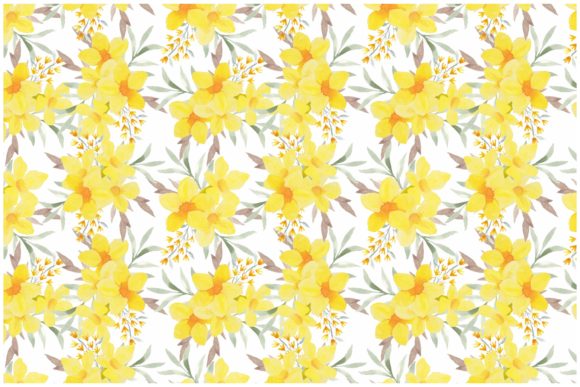
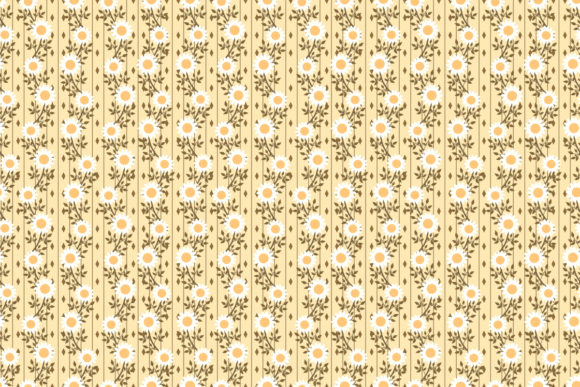
There is something quietly uplifting about a pattern that combines delicate florals with a warm, sunny backdrop. The Tiny Sweet Flower in Yellow Background design captures that feeling perfectly. It is a seamless repeating pattern featuring small, charming flowers set against a cheerful yellow field. Whether you are a designer, a small business owner, or someone who loves crafting on weekends, this pattern offers a surprisingly wide range of possibilities. It is more than just a pretty print—it is a flexible asset that can adapt to many real-world projects.
More Than a Pretty Print: What This Pattern Actually Is
At its core, this is a digital file that repeats flawlessly. The pattern itself is built around tiny, sweet flowers, and the yellow background gives it a bright, inviting energy. Because it comes in both EPS 8 and JPG formats, you can open and edit it in programs like Affinity Designer, Inkscape, or Adobe Illustrator. The zip file keeps everything neat and organized. For anyone who has ever struggled with a pattern that does not tile correctly, the seamless repeat here saves a lot of frustration. You can scale it, recolor elements if you choose, or use it as-is. The format flexibility alone makes it a practical choice for people who work across different software environments.
Where This Pattern Shines in Everyday Projects
The real value of this pattern becomes clear when you start imagining the places it can appear. It is not just a digital doodle—it can become part of physical products, digital assets, and decorative touches. Let me walk you through some scenarios where it truly comes to life.
Fabric and Textile Projects for Personal or Small-Batch Use
If you sew or work with textiles, this pattern is a natural fit. Imagine printing it onto cotton fabric for a spring dress, a child's blouse, or a lightweight scarf. The yellow background is vibrant but not overpowering, and the tiny flowers add a gentle detail that works well on smaller garment pieces. Quilters might find it useful as an accent fabric in a patchwork project, especially when paired with solids or other floral prints in complementary colors. For anyone making reusable produce bags, fabric gift wraps, or even face masks, the cheerful yellow adds a touch of warmth that plain fabrics lack. The seamless repeat ensures that when you cut multiple pieces, the pattern flows consistently across seams. That matters more than you might think when you are lining a tote bag or making a gathered skirt.
Gift Wrapping and Stationery with a Personal Touch
Gift wrapping is one of those areas where a small detail can make a big impression. Using this pattern as wrapping paper—either printed at home or through a small print shop—turns a simple present into something more thoughtful. For birthdays, baby showers, or even thank-you gifts, the yellow background feels celebratory without being seasonal. You might also use it to line envelopes, create custom note cards, or wrap a flower bouquet. If you sell handmade goods, wrapping your products in this pattern adds a cohesive, branded feel. A small soap, a jar of honey, or a set of candles wrapped in paper featuring the Tiny Sweet Flower in Yellow Background instantly looks more curated. Customers notice those details, and it costs very little to implement.
Wallpaper and Background Applications for Digital and Physical Spaces
This pattern works beautifully as wallpaper, both in the digital and physical sense. On the practical side, you can use it as a desktop wallpaper, a Zoom background, or a backdrop for social media content. The yellow is eye-catching but not harsh, so it works well behind text overlays or product shots. If you are a content creator, having a seamless pattern like this in your asset library means you can quickly generate cohesive visuals without starting from scratch each time.
For physical spaces, consider printing it as removable wallpaper for a child's room, a craft corner, or even the inside of a closet door. The tiny flowers keep it from feeling too loud, and the yellow background adds light to smaller spaces. You could also use it to line the back of a bookshelf, cover a notebook, or decoupage onto a piece of furniture. The applications are not limited to walls—any flat surface that needs a cheerful lift can benefit.
Different Users, Different Benefits
One of the strengths of this pattern is how it serves different people in different ways. Let me break down a few common user types and how they might get the most out of it.
Graphic Designers and Digital Artists
For designers, having a seamless pattern in EPS 8 format is a practical advantage. You can open it in Adobe Illustrator or Affinity Designer without worrying about compatibility issues. The vector format allows you to scale the pattern infinitely without losing quality, which is essential when you are working on everything from a business card to a billboard. You might use it as a background element in a brochure, a subtle texture in a website header, or a repeating motif in an ebook design. Because it is seamless, you can apply it as a fill in your design software and trust that it will tile correctly. This saves time and eliminates the awkward seams that can ruin a professional-looking layout.
Small Business Owners and Etsy Sellers
If you run a small shop—whether on Etsy, at craft fairs, or through your own website—this pattern can become part of your product line. Print-on-demand services let you upload seamless patterns and apply them to phone cases, tote bags, mugs, or pillows. The yellow background and tiny flowers have broad appeal, especially among customers looking for something cheerful but not overly childish. You could also sell digital downloads of the pattern itself, letting other creatives use it in their own projects. The key here is versatility: because the pattern works across so many product types, you do not have to commit to a single use case. You can test different products and see what resonates with your audience.
DIY Crafters and Hobbyists
For people who enjoy crafting without a commercial goal, this pattern offers a low-stakes way to elevate everyday items. Print it on adhesive paper to make custom stickers. Use it as a background for a scrapbook page. Iron it onto fabric for a patch or a pillow cover. The possibilities are as broad as your creativity, and the file format means you can resize and adjust it to fit your specific needs. If you are new to working with digital patterns, the included JPG format is a simple starting point—just print and cut. As you get more comfortable, you can explore the EPS file in a vector editor and experiment with color changes or scaling.
Practical Considerations Before You Start
Before you download and use this pattern, there are a few things worth keeping in mind. First, the yellow background is lovely, but it can be a dominant color. If your project relies on a neutral palette, the yellow might feel like a bold statement. That is not a flaw, but it is something to consider when pairing it with other patterns or colors. Test it against your intended materials before committing to a large run.
Second, while the JPG format is convenient, it has limitations. If you need to enlarge the pattern significantly, the bitmap version may lose sharpness. That is where the EPS 8 file becomes your best friend. Use it whenever you need high-resolution output, especially for fabric printing or large-format wallpaper. The vector file retains crisp edges no matter how much you scale it.
Third, think about the medium you are printing on. Yellow can shift slightly depending on the printer and material. A test print on your specific fabric or paper will give you a true sense of the colors. This is standard practice for any digital pattern, but it is worth mentioning because the vibrancy of the yellow is one of the pattern's defining features.
Strengths and Limitations at a Glance
The strength of the Tiny Sweet Flower in Yellow Background pattern lies in its adaptability. It is small enough to work as a subtle texture but bright enough to serve as a focal point. The seamless repeat is technically solid, and the file formats are well chosen for compatibility with popular design software. It also strikes a balance between playful and elegant, which gives it a wide audience appeal.
As for limitations, the pattern may not suit projects that require a muted or serious tone. The yellow background is inherently cheerful, so it is best suited for contexts where warmth and approachability are assets. Additionally, because the flowers are tiny, they can get lost if the pattern is scaled down too much for very small items. Testing the scale on your intended product is always a smart move. These are not deal-breakers by any means, but knowing them upfront helps you make better creative decisions.
Getting the Most Out of Your Seamless Pattern
To truly make this pattern your own, experiment with it across different surfaces and contexts. Try it as a fabric lining for a winter coat, a playful background for a recipe card, or a repeating motif in a digital mood board. The more you use it, the more you will discover what works best for your specific needs. The pattern is a tool, and like any good tool, its value comes from how you apply it. Keep the file organized in your assets folder, and pull it out whenever a project calls for something warm, floral, and just a little bit sweet.